Cash payments will be abolished.
From April 1, 2026, cash payments will be abolished for certain transactions. Payments will now mainly be made through bank cards, mobile applications, and other digital payment systems. These changes are aimed at making payment processes more transparent, faster, and more secure. They also help reduce the circulation of cash in the economy, prevent hidden transactions, and develop a modern payment infrastructure. For citizens and businesses, this will create a more convenient and controllable financial environment.
Online Payments
- Payments for goods and services
- Fuel and energy payments
- Public services
- Transport and road services
- Utilities and service charges
- Real estate
- Vehicles

More details
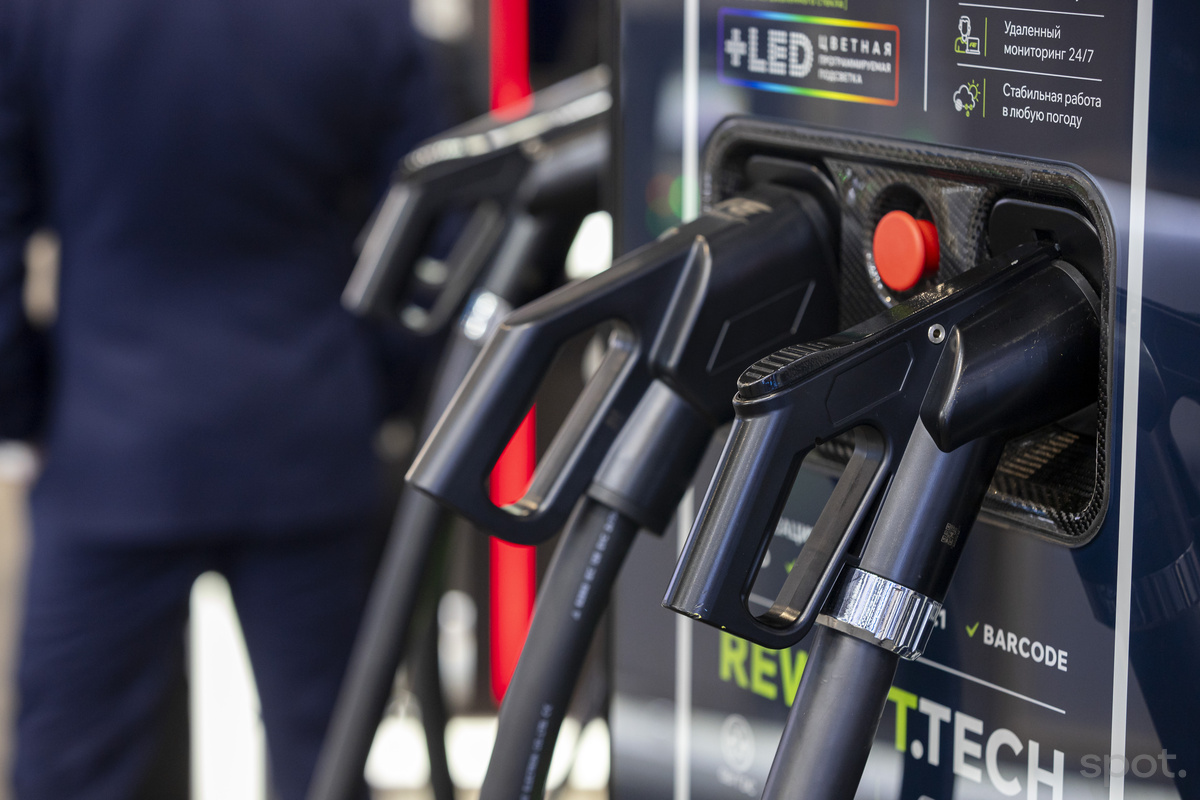
According to the new regulations, payments for fuel, gas, and electric charging services for vehicles will be made via bank cards or electronic payment systems. This will expand fast and convenient payment options.
Payments for services provided by government agencies will also be fully transferred to cashless form. This process is aimed at reducing corruption, increasing transparency, and creating convenience for citizens.
According to the new regulations, digital payment systems will be prioritized for paying utility and various service charges. This allows people to save time, reduce queues, and use services remotely. It also significantly improves control and transparency over payments.
Payments for goods and services
From April 1, 2026, payments for goods and services exceeding 25 million soums will be made only in cashless form. This change aims to make payment processes more transparent, secure, and modern.
Fuel and energy payments
According to the new regulations, payments for fuel, gas, and electric charging services for vehicles will be made via bank cards or electronic payment systems. This will expand fast and convenient payment options.
Public services
Payments for services provided by government agencies will also be fully transferred to cashless form. This process is aimed at reducing corruption, increasing transparency, and creating convenience for citizens.
Utilities and service charges
According to the new regulations, digital payment systems will be prioritized for paying utility and various service charges. This allows people to save time, reduce queues, and use services remotely. It also significantly improves control and transparency over payments.